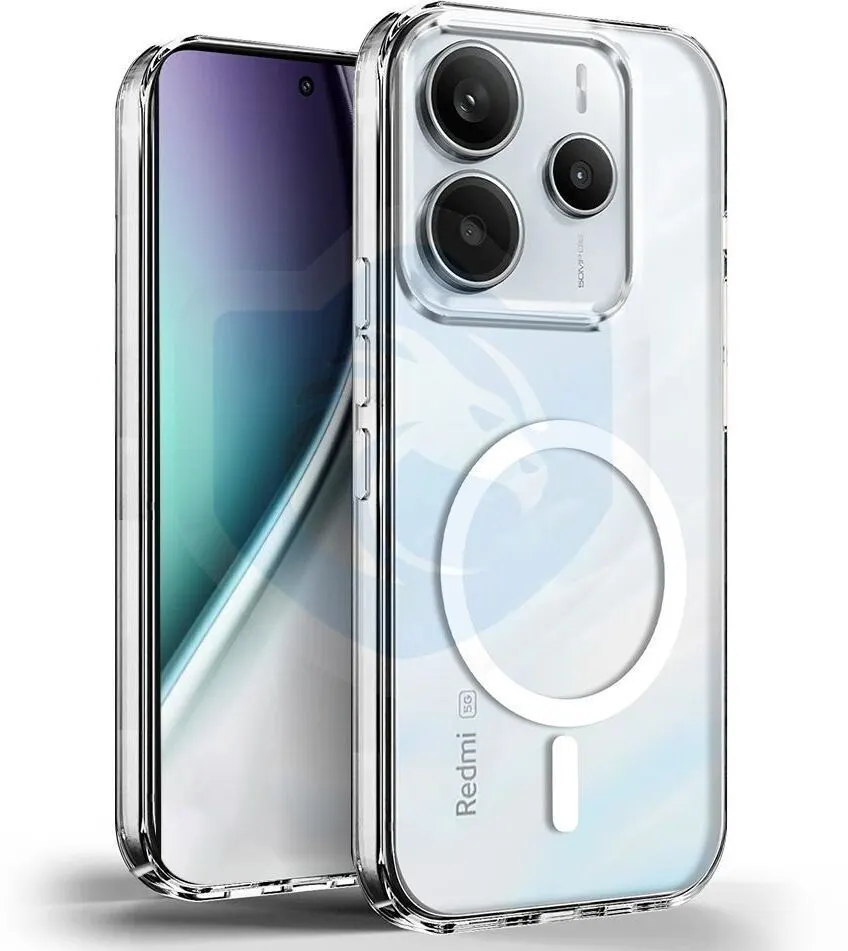
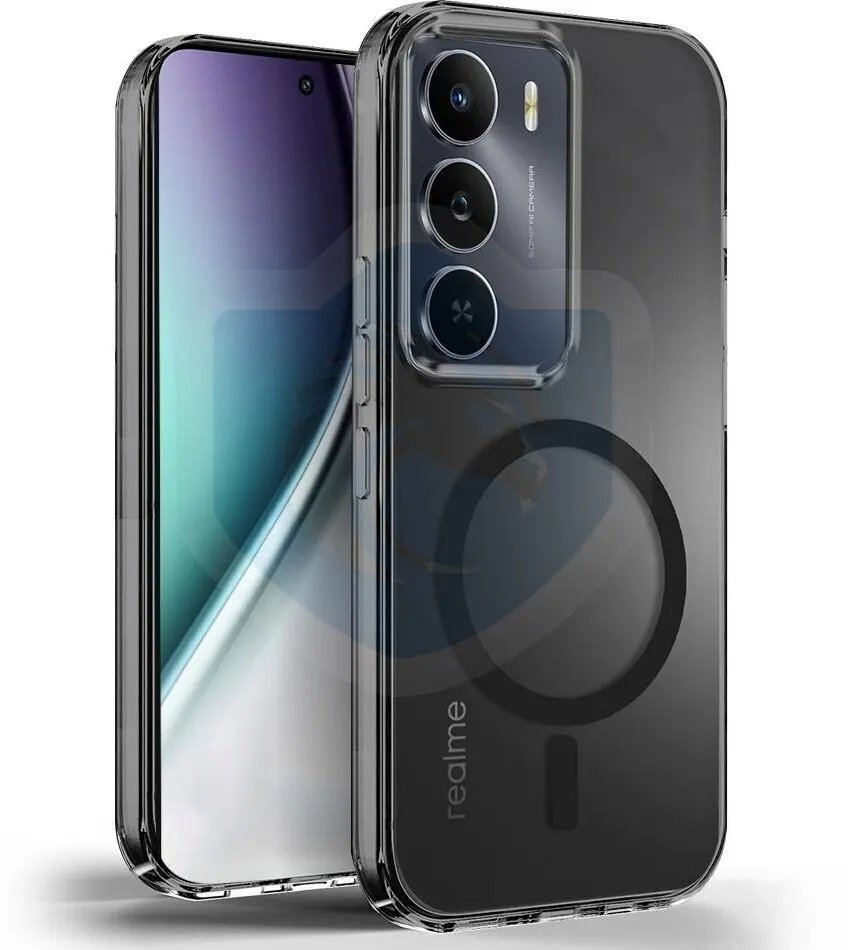
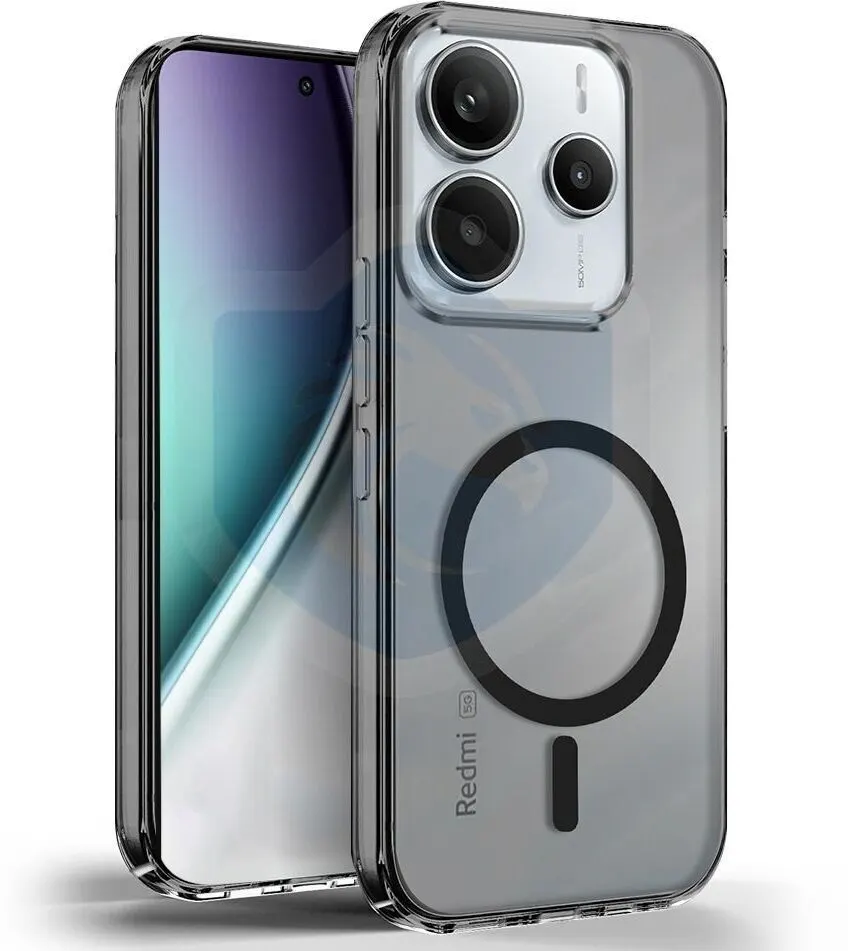
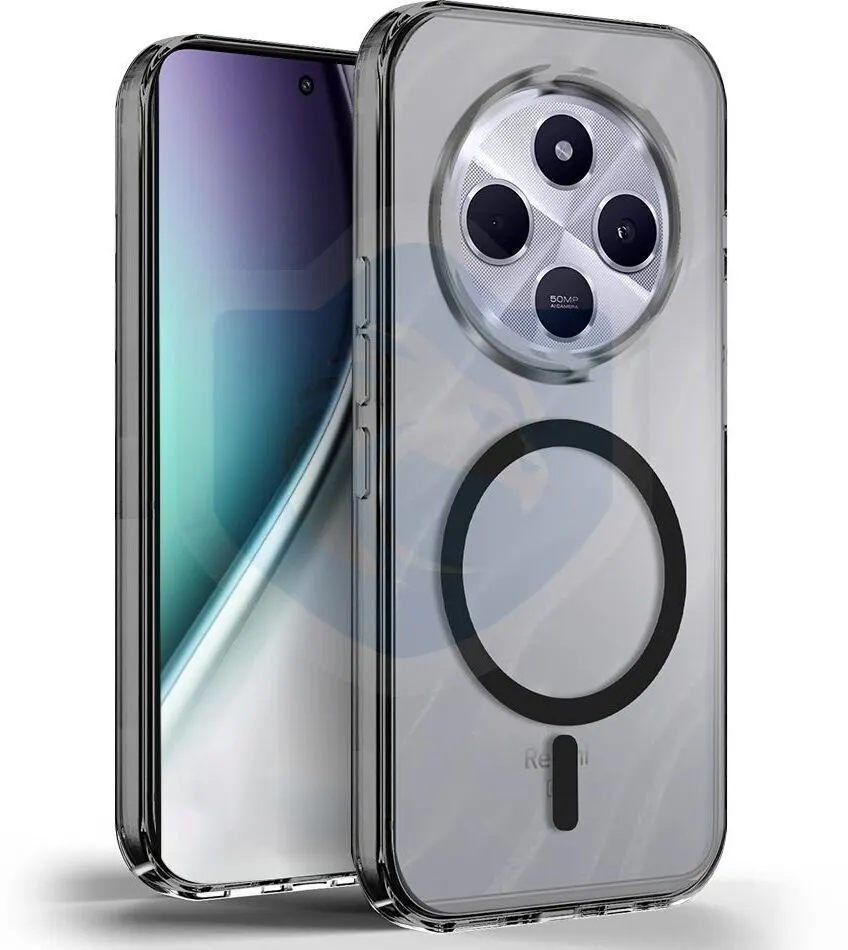
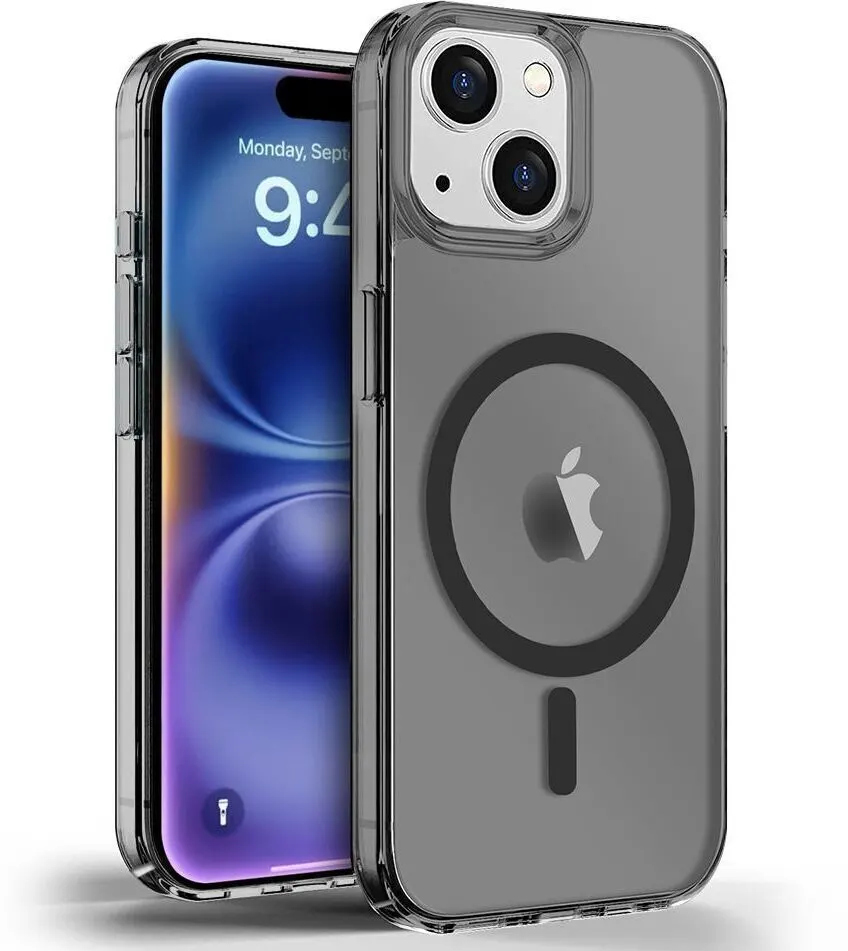
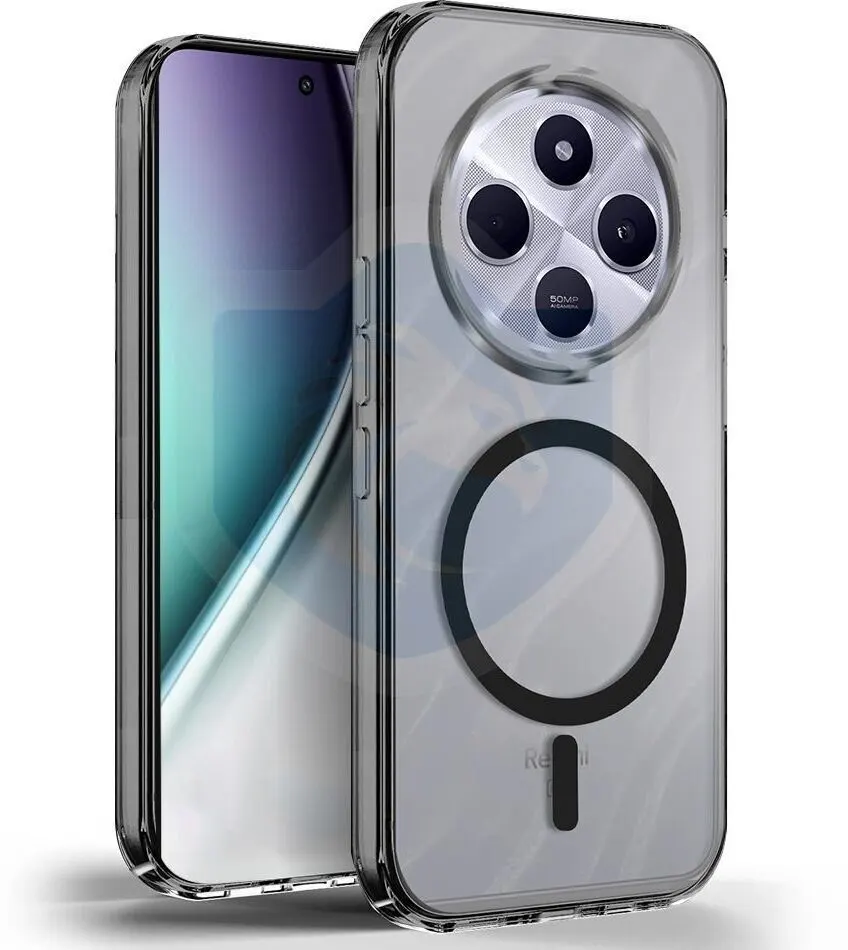
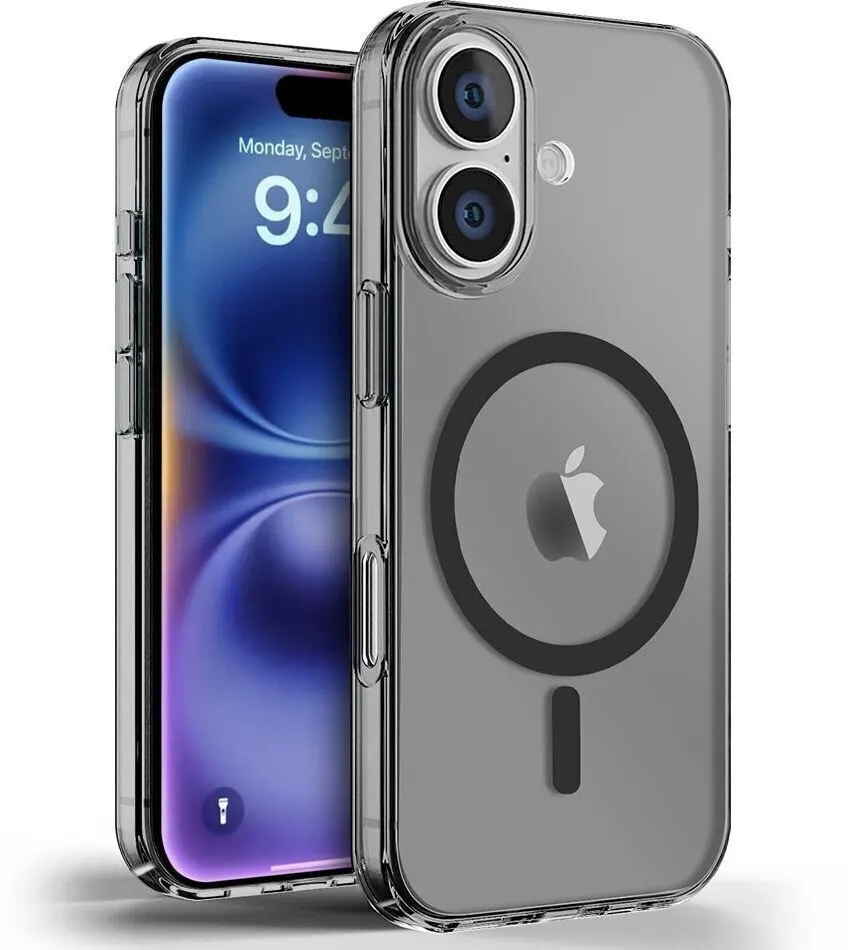
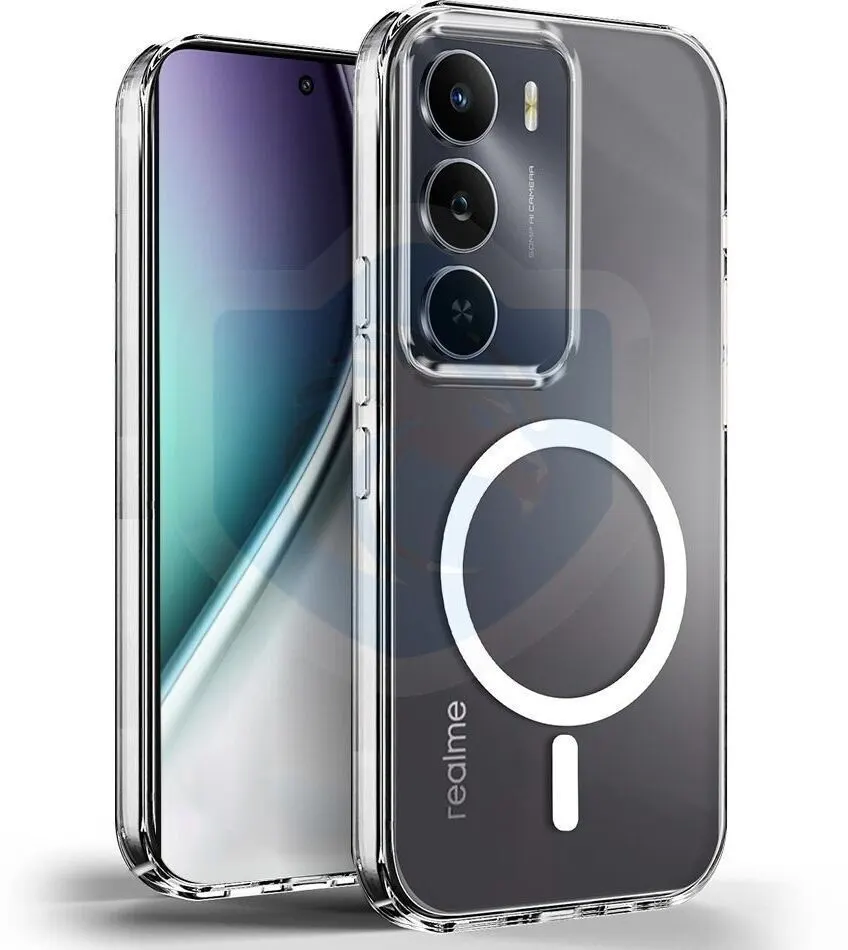
Anti-yellow covers
Published 30 September 2026
A clear cover that has gone amber is the most common complaint about phone cases, and it is not dirt — it is the material itself changing colour. Here is what causes it, what genuinely delays it, and which of our covers are made for it.
What actually turns yellow
The soft part of a case — the flexible bumper, the clear back — is usually TPU, and TPU yellows because of two things happening at once: ultraviolet light from sunlight breaks its polymer chains, and the oils and heat from your hand and pocket speed that up. It is a chemical change, not a stain, which is why no amount of cleaning brings the cover back.
A hard polycarbonate back yellows far more slowly than a soft TPU one. That is the whole reason the better clear covers are described as polycarbonate with a soft frame rather than as "silicone" — the part you see is the part that stays clear.
What delays it, honestly
Three things help, in order of how much they matter:
- A UV-stabilised or "anti-yellow" formulation in the material itself — this is what the covers on this page are made from, and it is the difference you are paying for.
- A hard polycarbonate back rather than a fully soft one, which is why those covers stay clear for longer even without a special formulation.
- Not leaving the phone face-up on a car dashboard. Heat and direct sun are the two biggest accelerants, and a cover that would have lasted a year can go amber in a summer on a dashboard.
What nobody can promise
No clear cover stays perfectly clear forever, and any shop that says otherwise is selling you the word "anti-yellow" rather than a material. What the formulation buys you is time — usually the useful life of the cover rather than the first few months of it. If you want a cover that looks the same in two years as it does today, choose a solid colour instead of a clear one; that is the honest answer, and it is why we stock both.