Silicone or hard cover?
Published 4 October 2026
Both protect the phone. What differs is how they feel in the hand, how they age, and what they do with a drop — and there is a middle option most shops do not explain. Here is the honest comparison.
The soft one: silicone and TPU
A soft cover is a flexible bumper and back, usually TPU or silicone. Its advantage is grip — it does not slide off a table or out of a hand the way a hard plastic shell does, and that alone prevents a good share of drops. On impact it deforms and springs back, which spreads the force over a fraction of a second instead of passing it straight to the phone.
Its cost is ageing. Soft material picks up the colour of your jeans, feels tacky in a hot pocket, and if it is clear it will turn amber — that is the material changing, not dirt, and no cleaning brings it back. It also stretches slightly over a year or two, so a cover that once gripped the corners can start to feel loose.
The hard one: polycarbonate
A hard cover holds its shape. It is moulded to the phone rather than stretched over it, so the fit stays as tight in month twelve as it was on day one, and a transparent polycarbonate back stays clear far longer than a soft one because the part you look at is the part that does not yellow.
What it does not do is absorb much. A hard shell passes more of a drop through to the phone than a soft one, and it has less grip. Scratches show on it and cannot be polished out — the trade for staying clear and staying in shape.
The one in between, which is usually the right answer
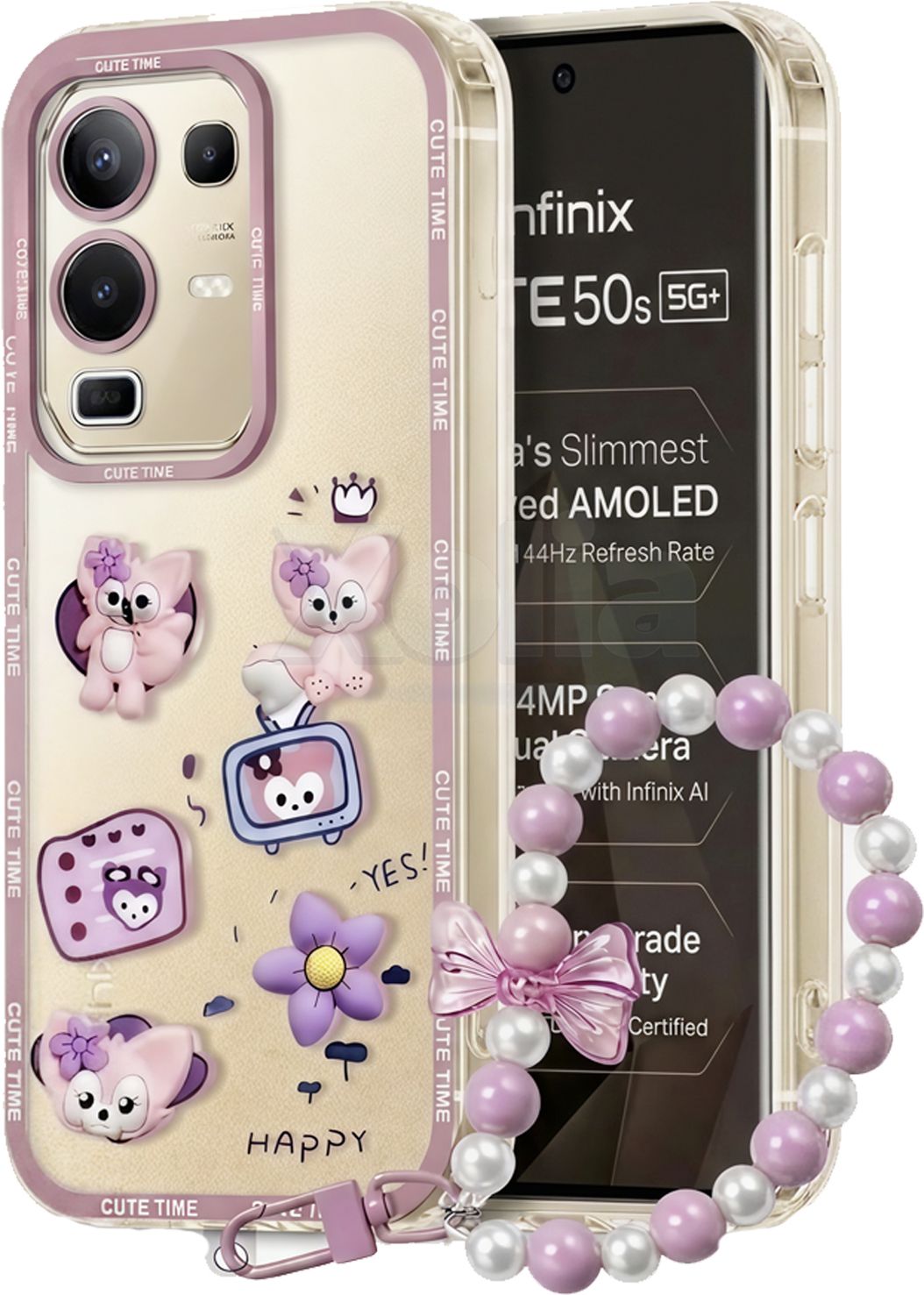
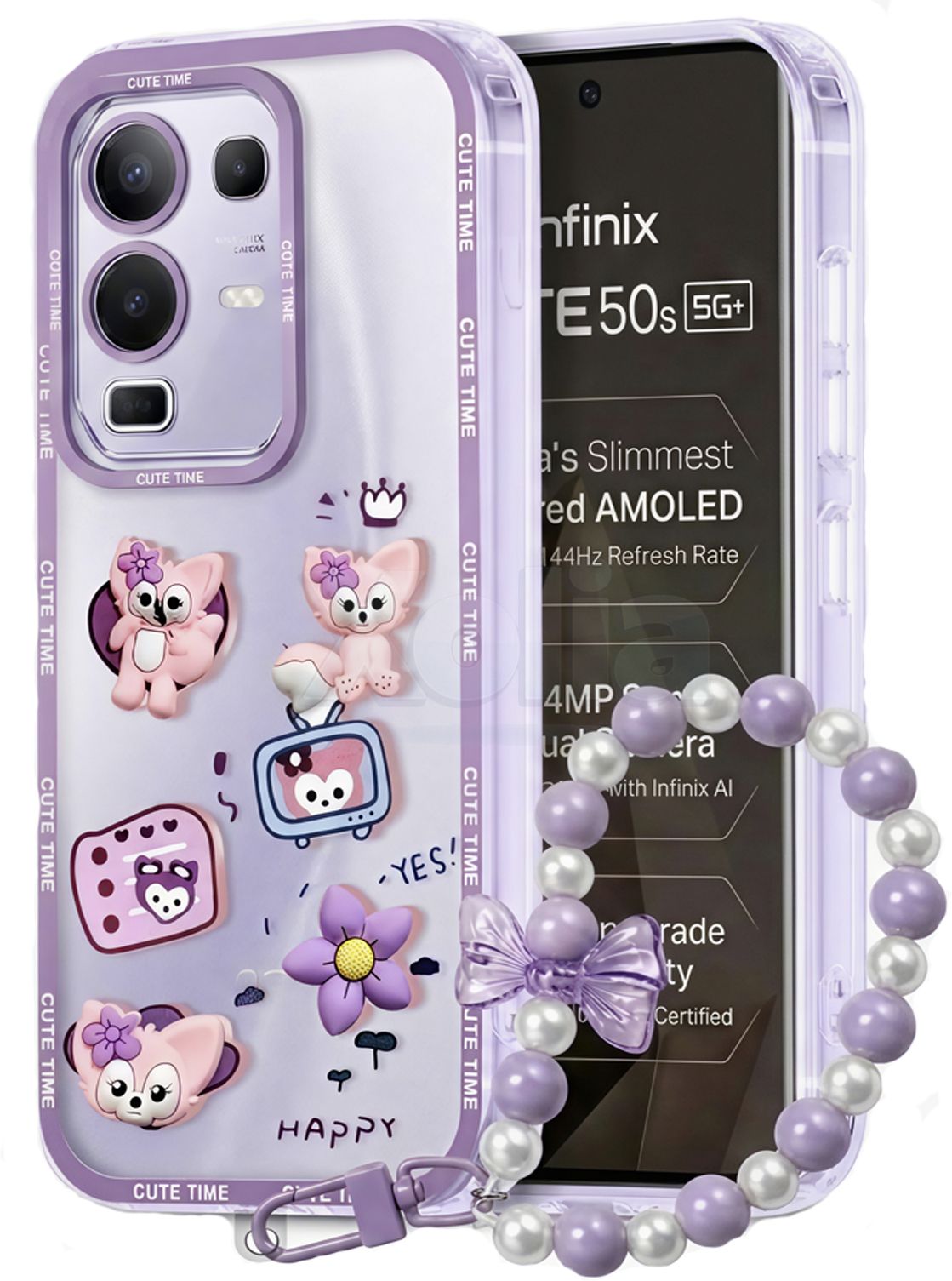
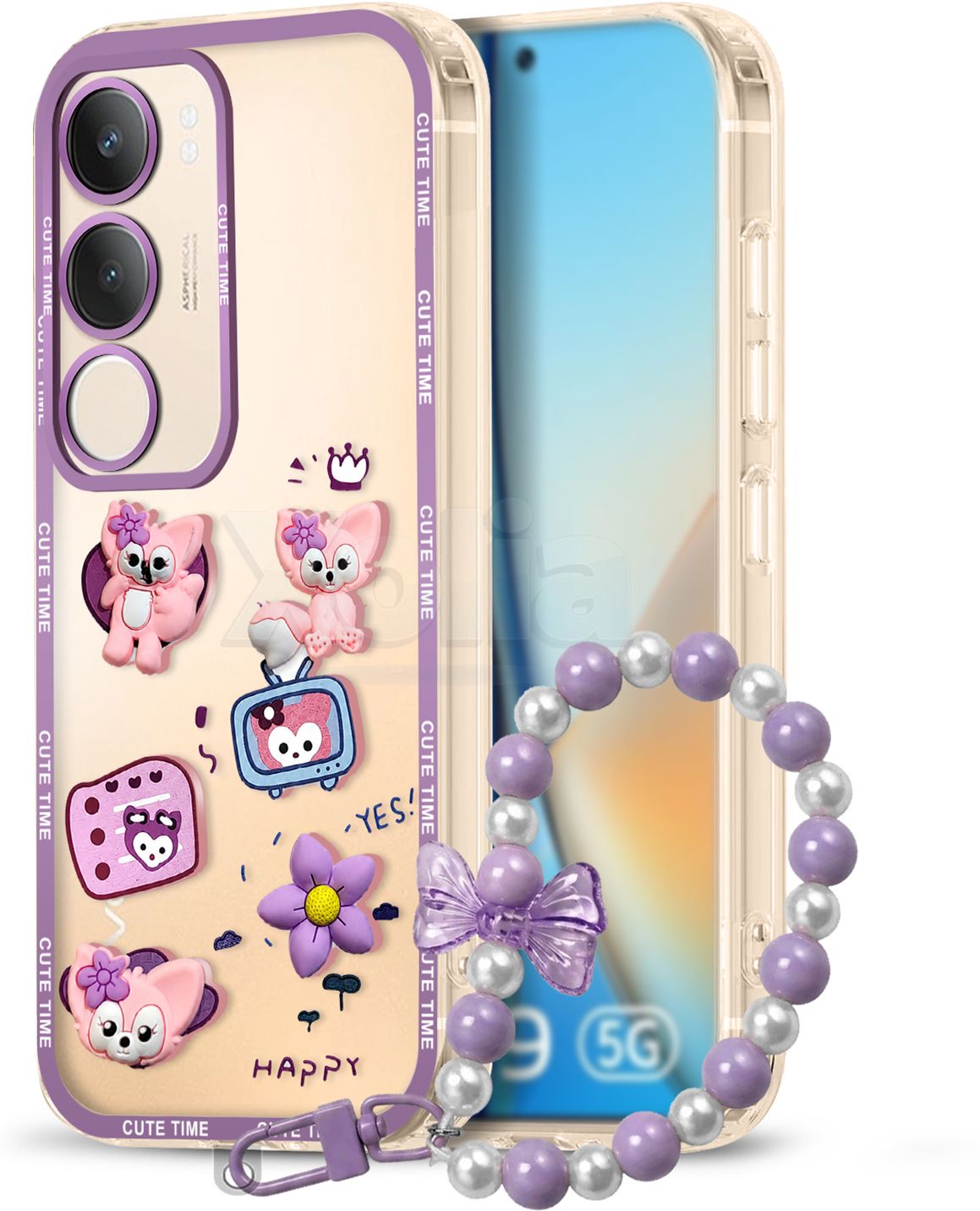
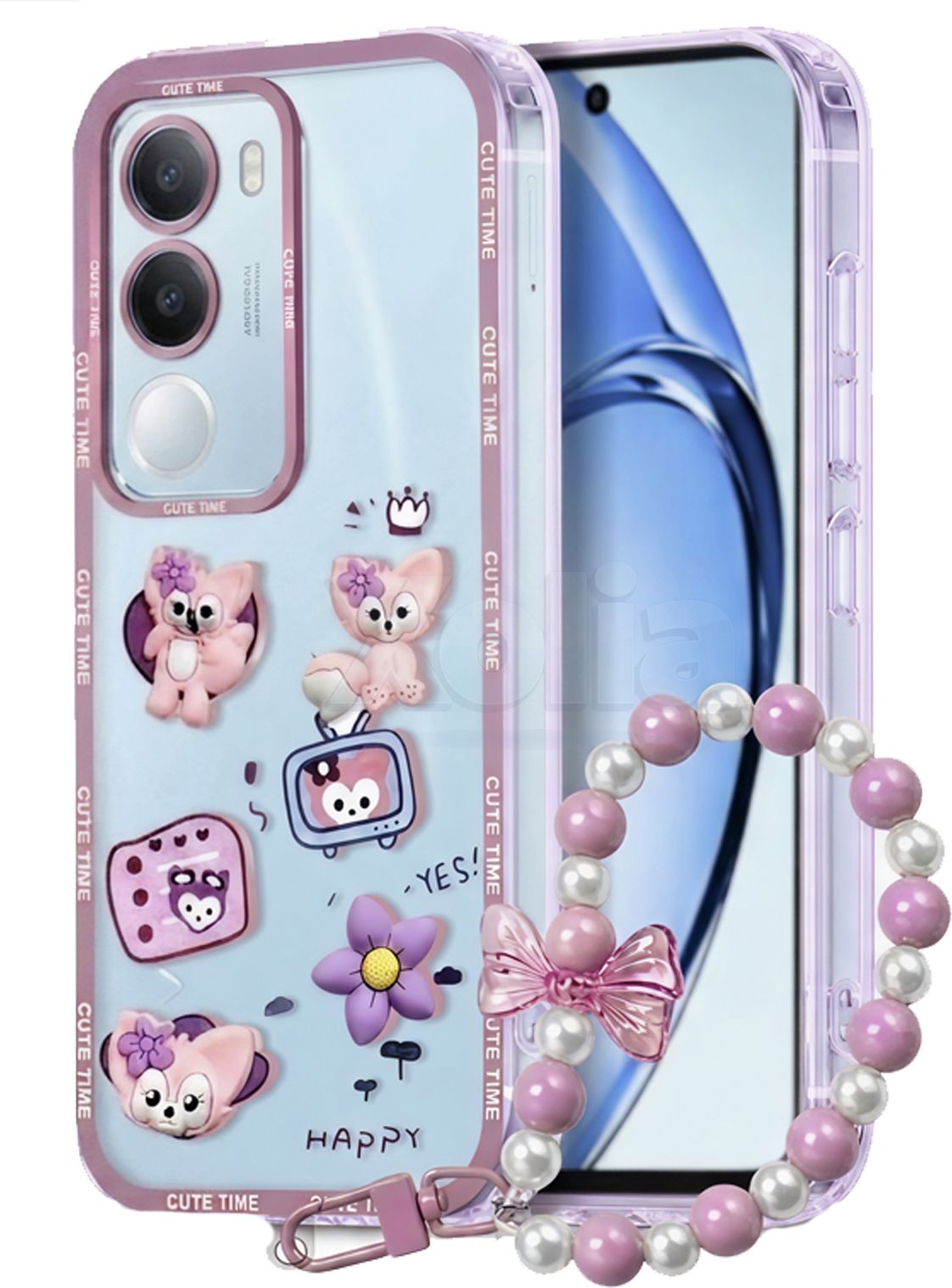
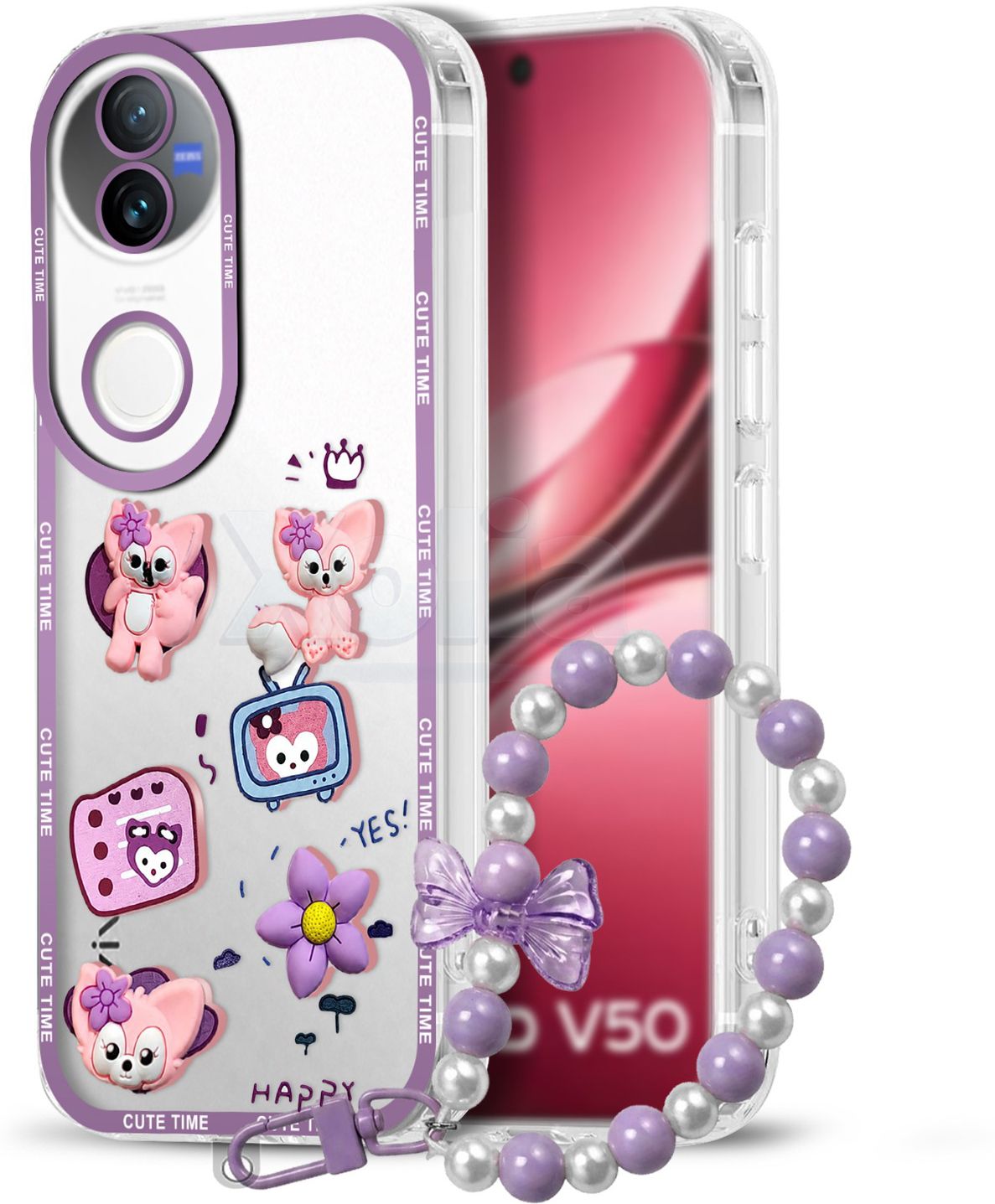
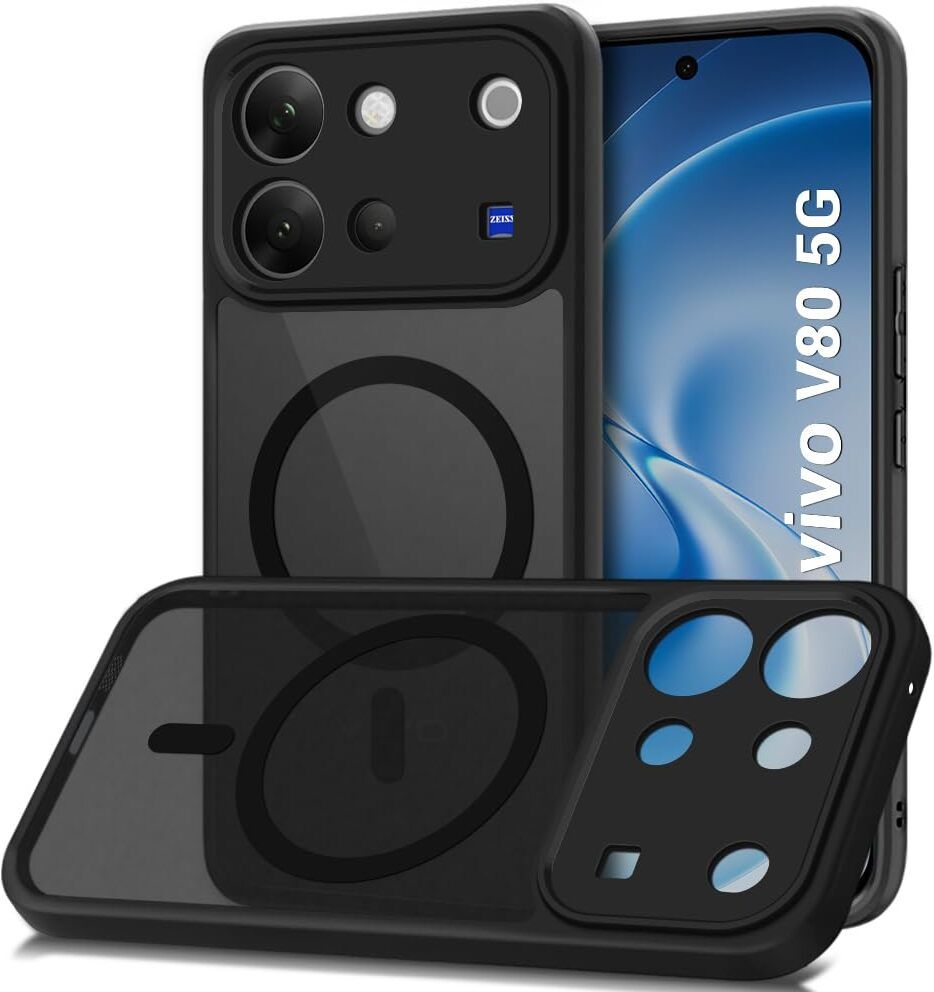
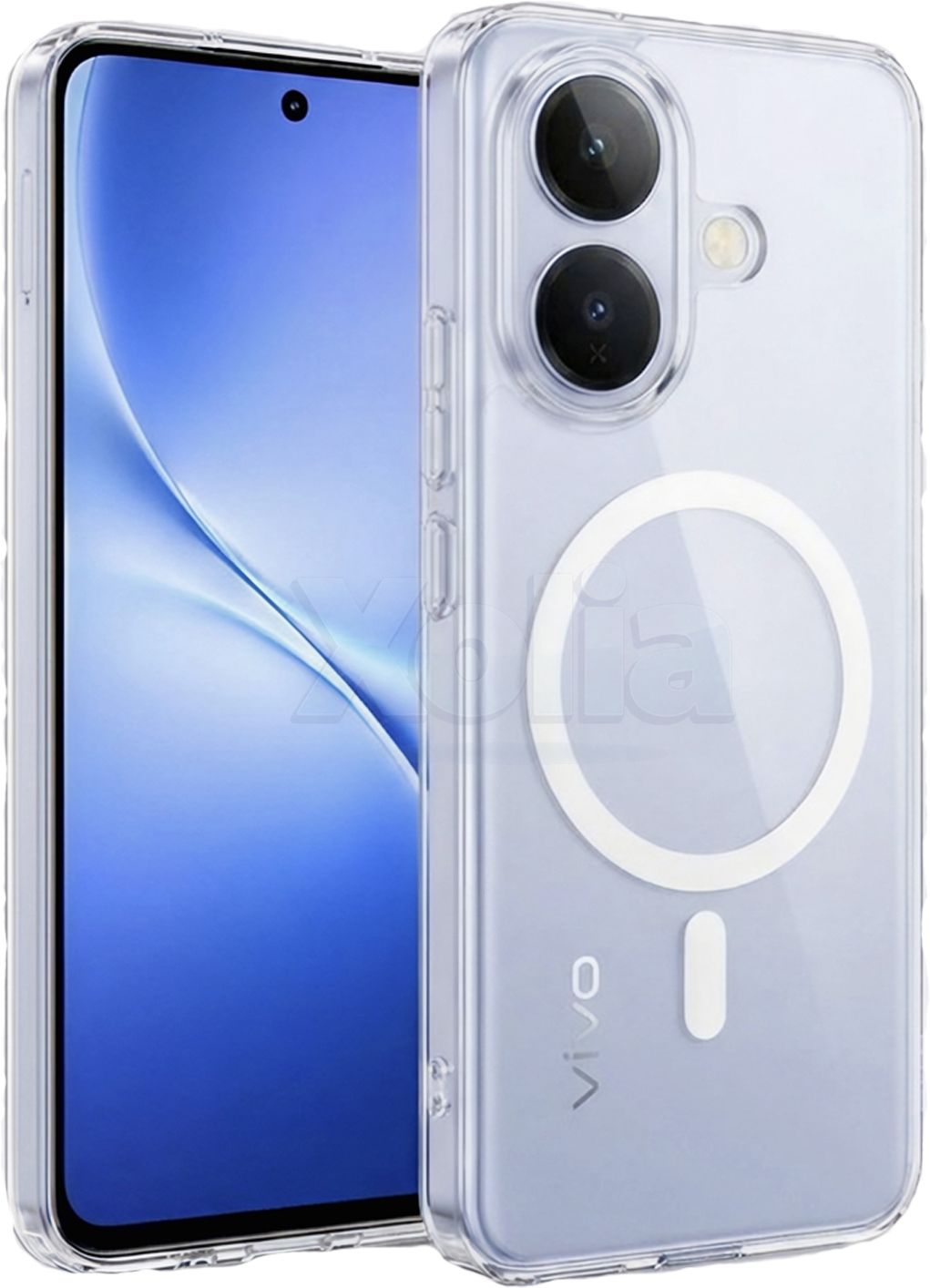
Most of the covers we stock are both: a soft TPU frame around the edges, where impact absorption matters, with a hard polycarbonate back, where appearance and shape matter. You can see it in the material field on any product page — "Polycarbonate + Silicon" and "Plastic + Silicon" are that construction.
That combination is why the covers on this page are worth more than the cheapest soft case: the edge that takes the hit is soft, and the back you look at every day is hard and stays clear.
How to choose, in one line each
Whatever you pick, the two things worth checking on any cover are the raised lip and the corners.
- You drop your phone, or you have small children: soft or hybrid, with a raised lip around the screen and camera.
- You want a clear cover that still looks clear next year: a hard polycarbonate back, not a fully soft clear one.
- You want the thinnest thing that protects against scratches and scuffs: a hard shell, accepting that a bad drop is a bad drop.
- You cannot decide: the hybrid covers below are what most people end up keeping.